
If you play an instrument well, and wish you could make a living teaching others how to do the same, then you’ve come to the right place. In this guide we’re going to take a lot at all the factors that go into becoming a (good) music tutor. While it might seem daunting, it can actually be a lot easier than you think to get a foot through the door of the music industry. Without further ado, let’s get stuck in, and explore all of the things you’ll need to bear in mind if your goal is to become a music tutor.


Experience and Expertise
First of all, if you are serious about becoming a music tutor, you will likely need some experience and/or credentials to bolster your credibility, such as qualifications at the Conservatoire. Playing an instrument well is a skill, and so is teaching. Being good at the former, doesn’t necessarily mean you will succeed with the latter, but it is also instrumental for your credibility as a tutor.
Know your instrument
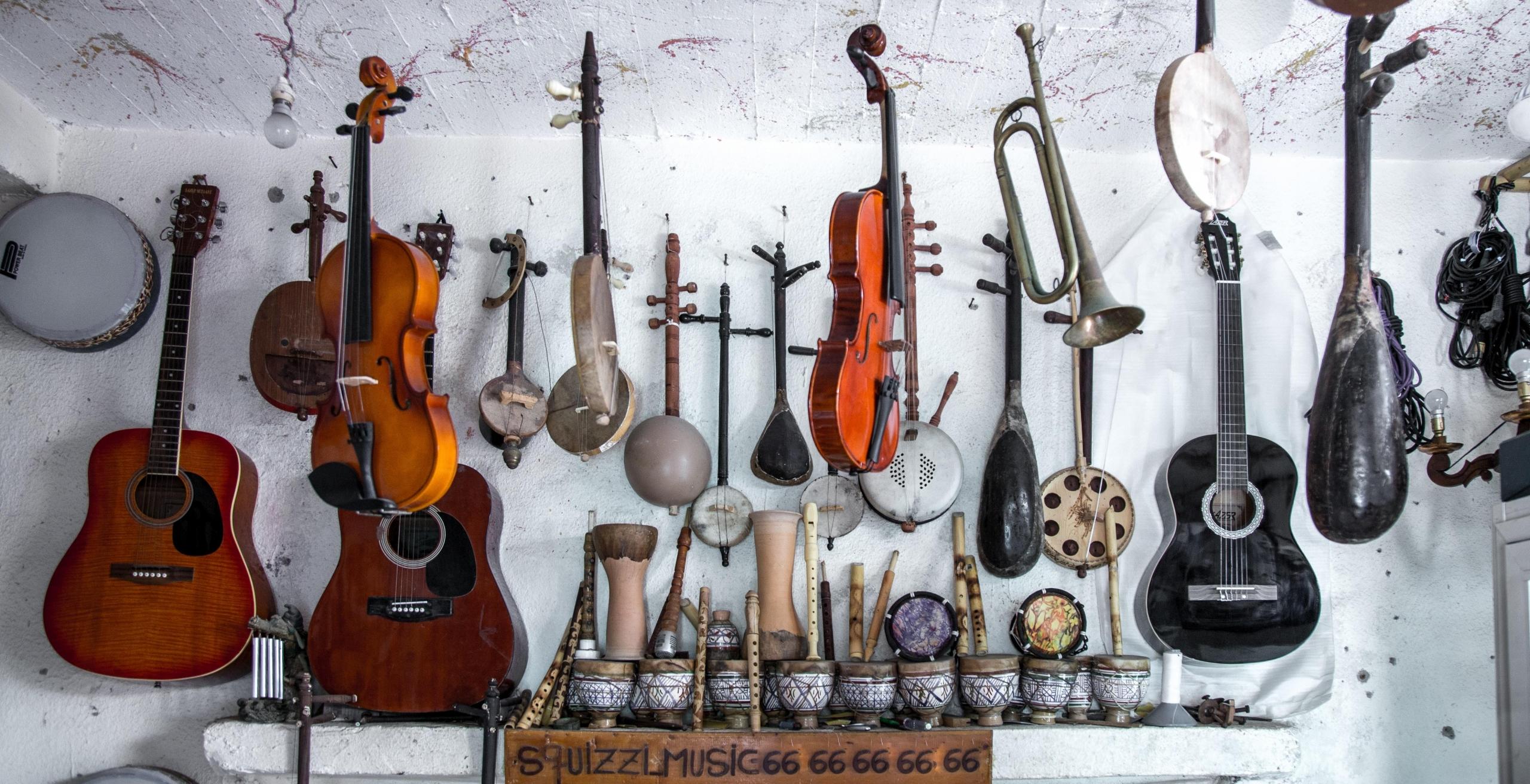
Get to know your instrument well.
Learn how to teach

To teach, it’s important to be a good student.
To teach well, enjoy being a student
Say you never bothered learning guitar chords by the book, or managed to self-teach without needing to read music for the piano, how are you going to teach a student how to do these same things? You could also advertise local piano lessons to attract beginners in your area. Not to say it isn’t possible, but it would undoubtedly be a tall order. The first step to becoming a good tutor - and this applies for any subject, not just music - is to be a keen student. Put yourself in the position of the student, and ask yourself if you were learning this instrument for the first time, what would you want to know about it? While some things might seem redundant or irrelevant, like why the guitar is made from the material it is, these questions will likely come up in lessons and the more you’re able to answer, the better you will come off to the student. In terms of how that will help you, the happier the student is at the end of a lesson, the more likely they are to give you repeat business. As a tutor, long-term students or clients are just what you should be looking to secure.
Plan your Music lessons
As well as having a detailed knowledge of your chosen instrument, you’ll also want to spend some time thinking about how to plan music lessons. If you’ve never taught before, filling an hour of time can seem intimidating, especially if you’re anything like me and you struggle with small talk. That’s why it’s important to plan out classes in advance. This will give you a clear structure to follow, and the added bonus of making your student think you are taking their education seriously, and personalising it to their needs and level. Plus, once you start to build a bigger client base, you will want a way of keeping track of which student is at which level. Having plans allows you to check back over what you did last time, and build on that for the following lesson.
Get Qualified
The next most important thing, after playing an instrument well and learning how to teach, is knowing what the necessary qualifications are for the position. So, this begs the question, do you need qualifications?Well, yes and no. The qualifications you will need to become a music tutor will largely depend on the level of the students you’re looking to take on. You might think that a degree is necessary to kickstart your career as a music tutor, but this isn’t always true. Take the example of a parent searching for music lessons for their child, in this case impressive qualifications probably won’t be the most important criteria in their decision-making process. On the other hand, a student at university looking to improve their musical talent to join a band might be more discerning when it comes to the expertise of the music tutor. Whatever the case, the fact remains that you can become a music tutor without a university degree, so don’t fret if you don’t have one.
Consider the level of the student
The most important question to pose to yourself when you think about experience and qualifications, is who will make up your client base. Are you going to target your services largely to younger people, children, or people of all ages? Once you know this, you will be in a much better position to decide what the best course of action will be. As a general rule of thumb though, you should get a few teaching courses under your belt, just to have some idea of how to structure a music lesson and to feel more confident doing so. With children, you might want to focus on how primary school teachers keep the attention of the kids, and how you can apply some of those techniques in your classes. If they are between 7-10, you might benefit from working on your charisma and humour. While this might sound odd, kids can get bored and distracted fairly easily, so keeping their attention for the duration of the class should be your biggest priority. You could also work towards the CME (certificate for music educators), which will lend credibility to your status as a music tutor for children and young people. Beyond that age group, you should focus more on the technical side of things, and make sure you have enough experience to walk the student through the lesson without a hitch. When you get to the ages of 16 and above, you will need some qualifications to back up your claims that you will be the right music tutor for them. Qualifications in competency of the instrument you play can prove especially effective for garnering business. They will also give you that confidence boost, and help you believe that you are capable of teaching that instrument.
Online vs In-person classes

Figure out your preferred method of teaching.
Online classes
Online classes are a great way to go about your business from the comfort of your own home. One of the best ways you can get started as an online music tutor is through our website Superprof. Sign up as a tutor and you will have access to a large number of keen students waiting for music classes. Online classes will seem like less hassle than in-person classes, since you will be able to take care of everything through your computer, and you won’t need to worry about logistics of where to meet etc. The downside is that technical difficulties can disrupt the flow of a lesson, and maybe you’d prefer to show your student things on their instrument that are harder to illustrate through video.
In-person classes
In-person classes are the traditional way to go about giving music lessons, and certainly have their merits. With these types of classes you will have your student right in front of you so you’ll be able to clearly correct hand positioning and things like posture. To market yourself this way, you will have to invest in posters, and rely mostly on word of mouth to drive business your way. This can be tough if you live in a smaller town or city, and can provide logistical problems either for you travelling to your student, or vice-versa. As for how much to charge for a music lesson, you should scope out the competition online, and see what is a good price for your experience level.
Summarise with AI:
Did you like this article? Leave a rating!

 Loading...